
Why No One is Clicking on Your LinkedIn Profile—And How to Change That
I sometimes use affiliate links in content. This doesn’t cost you anything but I may make a commission payment from anything you buy through these links. As an Amazon Associate I earn from qualifying purchases. All opinions remain my own.
Your LinkedIn profile is more than just an online résumé—it’s your personal brand’s first impression. But if recruiters and potential clients are scrolling past without a second glance, something isn’t working.
Are you missing out on opportunities because of a dull headline? Is your summary failing to hook readers? If your inbox isn’t lighting up with connection requests and job offers, it’s time to rethink your profile.
In this guide, you’ll discover simple yet powerful tweaks to transform your LinkedIn presence—so you stand out, get noticed, and attract the right opportunities.
Table of Contents
Key Elements of a Standout LinkedIn Profile
Professional Headshot and Background Image
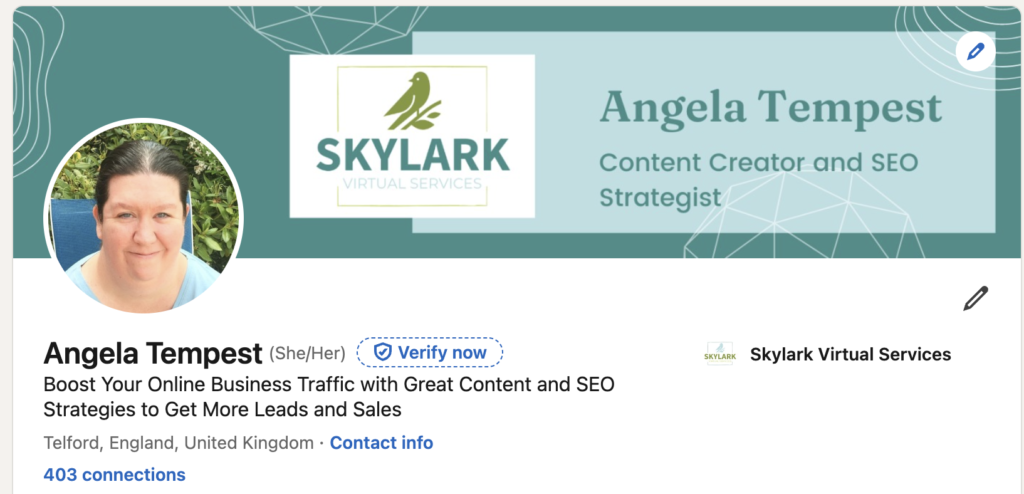
Your profile picture and background image are the first impressions visitors have of your LinkedIn profile. Opt for a professional headshot that conveys approachability and professionalism. A tailored background image that aligns with your business persona further enhances your profile’s visual appeal and brand messaging.
Engaging Headline and Summary
Would you click on your own profile? If your headline is just your job title, you’re blending into the crowd. The best LinkedIn profiles make people curious enough to learn more—so let’s craft a headline that gets clicks.
Your headline and summary provide a snapshot of your professional identity. Beyond just your job title, your headline should encapsulate your expertise and the value you bring. The summary is your chance to tell your story, highlight your achievements, and express your business vision and ethos.
- Be Specific and Clear: Ensure your headline clearly states your professional role and expertise. Avoid generic titles and opt for specifics that set you apart.
- Incorporate Keywords: Use industry-relevant keywords in both your headline and summary to enhance searchability and attract the right audience.
- Showcase Your Unique Value Proposition: Highlight what makes you unique and how you can solve problems or add value to potential clients or partners.
- Keep It Concise and Impactful: Your summary should be brief yet impactful, focusing on your key achievements and experiences without overwhelming the reader.
- Use a Conversational Tone: While maintaining professionalism, write your summary in a conversational tone to make it relatable and engaging.
- Include a Call to Action: Encourage readers to connect, visit your website, or view your portfolio by including a strategic call to action in your summary.
Detailed Experience and Skills
Think your job history speaks for itself? It doesn’t. Hiring managers and potential clients scan profiles fast. If your experience section reads like a dull job description, they’ll move on. Here’s how to make them stay.
A comprehensive experience section that details your roles, responsibilities, and accomplishments showcases your professional trajectory and expertise. Highlighting specific skills relevant to your industry underscores your qualifications and improves your profile’s discoverability through search.
- Quantify Your Achievements: Where possible, use numbers and statistics to demonstrate the impact of your work. For example, “Increased sales by 30% within six months” is more impactful than “Responsible for increasing sales.”
- Be Specific About Your Roles: Clearly define your roles within each position you’ve held. Specify the projects you worked on, the responsibilities you handled, and the results you achieved.
- Tailor Your Experience to Your Audience: Highlight experiences and skills that are most relevant to your target audience. This focus ensures that your profile speaks directly to the needs and interests of potential clients or partners.
- Endorse Skills Strategically: List skills that highlight your core competencies and get endorsements from colleagues, clients, or industry peers. This not only validates your expertise but also raises your profile’s credibility.
- Include Relevant Keywords: Use industry-specific keywords in your experience and skills sections to improve your profile’s visibility in LinkedIn searches.
- Showcase Certifications and Trainings: Highlight any certifications, courses, or training programs that bolster your skills and credibility in your industry.
- Leverage Multimedia: Incorporate documents, videos, presentations, and links to your previous work. This not only enriches your profile but also provides tangible proof of your skills and accomplishments.
Recommendations and Endorsements
Endorsements from peers for your skills and thoughtful recommendations can significantly enhance your credibility. These testimonials from colleagues, clients, or partners serve as social proof of your professional capabilities and accomplishments.
- Request Thoughtful Recommendations: Reach out to colleagues, clients, and partners who can accurately and positively reflect on your work. Provide them with context or specific achievements to mention, making their recommendations more impactful.
- Give Before You Receive: Write recommendations for others in your network. This often encourages them to reciprocate, creating a mutually beneficial exchange of professional endorsements.
- Highlight Key Skills and Projects: Encourage those endorsing you to mention specific skills and projects you excelled in, reinforcing your expertise and the value you bring.
- Keep It Updated: Regularly seek updated endorsements and recommendations, especially after completing significant projects or achieving notable milestones to keep your profile current.
- Diversify Your Endorsements: Obtain endorsements and recommendations from various individuals across different roles and industries you have interacted with, to showcase your versatility and broad professional appeal.
- Express Gratitude: Always thank individuals who endorse or recommend you. Acknowledging their support fosters stronger professional relationships and encourages continued networking.
- Use Recommendations Strategically: Feature recommendations that align with your career goals and professional narrative. Highlight those that reflect the skills and achievements most relevant to your target audience.
Tips for Optimizing Your Profile for SEO and Visibility
What’s the point of a great profile if no one reaches out? A strong LinkedIn presence isn’t just about looking good—it’s about getting results. Here’s how to turn views into meaningful connections.
Strategic Use of Keywords
Incorporate relevant keywords such as “LinkedIn Profile Optimization,” “Business Networking Tips,” and “SEO for LinkedIn Profiles” into your headline, summary, and experience sections. This strategic use of keywords can improve your profile’s visibility in search results, both on LinkedIn and search engines.
Identifying the right keywords can significantly enhance the discoverability of your LinkedIn profile. Here are some strategies to help you find and utilize the most effective keywords for your industry:
- Analyse Job Descriptions: Review job postings related to your industry and role. Pay attention to the specific terms and phrases that frequently appear, as these are likely the keywords employers and recruiters are using to search for candidates.
- Use LinkedIn Search Function: Type job titles, skills, and industry-related terms into LinkedIn’s search bar. The autocomplete suggestions and related searches will provide insight into common keywords and trends.
- Review LinkedIn Profiles of Industry Leaders: Look at the profiles of top professionals and influencers in your field. Note the keywords they use in their headlines, summaries, skills, and experience sections.
- Leverage LinkedIn’s Skills Section: LinkedIn allows you to add up to 50 skills to your profile. Review the list of suggested skills when adding new ones, as these suggestions are based on what recruiters search for and what is most relevant to your industry.
- Utilize LinkedIn Groups: Join and participate in LinkedIn groups relevant to your profession. Observe the terminology and topics frequently discussed, and consider incorporating this language into your profile.
- SEO Tools: Use SEO tools such as Google Keyword Planner or SEMrush to identify high-ranking keywords relevant to your industry. These tools can provide insights into search volumes and competitive terms.
- Engage with Your Network: Ask for feedback from colleagues and mentors about which keywords they use or find effective. Their insights can help you identify less obvious but highly relevant terms.
By systematically researching and incorporating these keywords into your LinkedIn profile, you can improve your visibility to recruiters, hiring managers, and potential business partners, ultimately enhancing your professional opportunities.
Leveraging LinkedIn Features
Utilize LinkedIn’s various features such as Publications, Projects, and Certifications to showcase your professional achievements and contributions. These sections allow you to display your expertise and reinforce your personal brand.
- Publications: Use the Publications section to highlight articles, research papers, books, or any other publications you have authored or contributed to. This is particularly useful for academics, writers, and thought leaders seeking to establish their expertise.
- Projects: The Projects section allows you to detail specific projects you have worked on, providing insights into your hands-on experience and practical skills. Include project descriptions, your role, and key outcomes to illustrate your contributions and the impact of your work.
- Certifications: List relevant certifications that demonstrate your formal qualifications and commitment to professional development. Include certifications from reputable bodies and ensure they are up to date to maintain credibility.
- Publications: The Publications section allows you to list any articles, books, or papers you have authored. Detailing these can underline your thought leadership and subject-matter expertise.
- Volunteer Experience: Highlight any volunteer work or community service activities you engage in. This can reflect positively on your character and values, showcasing your commitment to giving back and your well-roundedness beyond professional capabilities.
- Languages: If you are multilingual, add the languages you speak to showcase your ability to work in diverse, multicultural environments. This can be a significant asset in global markets or roles requiring cross-cultural communication.
- Honors & Awards: Use this section to highlight any honors, awards, or recognitions you have received. This not only demonstrates your achievements but also enhances your profile’s authority and prestige.
- Organizations: Mention any professional organizations or affiliations. Participation in these organizations can signify your active involvement in your industry and your dedication to staying informed and networked.
- Publications: If you have contributed to academic or professional journals, written books, or have any other published work, this can be a powerful way to assert your authority and thought leadership in your field.
Effectively utilizing these LinkedIn features not only enriches your profile but also provides a comprehensive view of your professional journey, capabilities, and accomplishments. This, in turn, can significantly enhance your networking opportunities and attract potential employers or collaborators.
Regularly Updating and Engaging with Content
An active profile signals to both LinkedIn’s algorithm and your network that you are engaged and accessible. Regular updates, sharing insightful content, and participating in discussions can boost your visibility and position you as a thought leader in your field.
Here are some examples of effective types of content to share:
- Industry News and Insights: Share articles, reports, or news updates related to your industry. Adding a personal comment or insight can further demonstrate your expertise and thought leadership.
- Original Articles and Blog Posts: Write and publish original content on LinkedIn’s Pulse or your personal blog. Topics could include industry trends, best practices, or personal experiences and learnings from your professional journey.
- Case Studies and Success Stories: Highlight successful projects, case studies, or client testimonials. This can provide tangible evidence of your skills and achievements, helping to build your credibility.
- Infographics and Visual Data: Share infographics or visual representations of data relevant to your industry. Visual content is often more engaging and can quickly convey complex information.
- Webinars and Workshops: Promote upcoming webinars, workshops, or speaking engagements you are hosting or participating in. Sharing recordings or key takeaways post-event can also add value to your network.
- Quotes and Thought Leadership: Share inspirational quotes or key takeaways from industry leaders and influencers. Adding your perspective on why these points resonate can further establish your expertise.
- Book and Article Reviews: Share reviews or summaries of books, articles, or other publications relevant to your field. Discussing what you learned and how it applies to your work demonstrates continuous learning and engagement.
- Career Milestones and Updates: Announce new roles, promotions, certifications, or other career milestones. This helps keep your network updated on your professional progress and achievements.
- Polls and Surveys: Engage your network by conducting polls or surveys on relevant topics. This can generate valuable insights, foster engagement, and promote further discussions.
- Personal Experiences and Reflections: Share personal stories or reflections related to your career path, challenges overcome, or lessons learned. Authentic storytelling can build stronger connections and humanize your professional persona.
By strategically sharing diverse and valuable content, you can enhance your LinkedIn presence, foster meaningful connections, and position yourself as an influential voice in your industry.
Crafting a LinkedIn Profile for Networking and Business Growth
Building a Strong Network
Connect with industry leaders, potential clients, and other digital entrepreneurs. A robust network increases your visibility and opens up avenues for collaboration, partnerships, and new business opportunities.
Building a professional network on LinkedIn is essential for growth and success, but it’s crucial to approach it thoughtfully. Here are some tips to help you build a network effectively without coming across as spammy:
- Personalize Connection Requests: Instead of sending generic connection requests, take a moment to personalize each message. Mention how you came across the person, why you want to connect, and how you believe the connection could be mutually beneficial.
- Engage Authentically: Interact with your network’s posts by liking, commenting, and sharing content that genuinely interests you. Thoughtful and insightful comments can leave a positive impression and foster deeper professional relationships.
- Provide Value First: Focus on providing value to your connections before asking for anything in return. Share relevant resources, offer assistance, or provide thoughtful feedback on their posts or articles.
- Join and Participate in Groups: Join LinkedIn Groups related to your industry or interests. Actively participate in discussions, share your expertise, and network with other group members to build connections organically.
- Be Consistent but Not Overbearing: Regularly share useful content and insights without overwhelming your network with too many posts or messages. A balanced approach keeps your connections engaged without feeling spammed.
- Follow Up Thoughtfully: If you’ve met someone at an event or webinar, mention the context when sending a follow-up connection request. This demonstrates that you value the interaction and are interested in a meaningful connection.
- Show Genuine Interest: Take the time to learn about your connections’ careers and interests. Engage with their content and follow their career progress. Showing genuine interest can help build stronger, more authentic relationships.
By implementing these strategies, you can effectively expand your professional network in a way that is respectful, valuable, and engaging, without coming across as spammy.
Engaging in Groups and Conversations
Participation in LinkedIn groups and conversations related to your industry can enhance your profile’s engagement. Sharing your insights and expertise can foster professional relationships and establish your authority in your niche.
Identifying and joining relevant LinkedIn groups is key to enriching your professional network and staying informed about industry trends. Here are some steps to help you find and evaluate groups effectively:
- Use LinkedIn’s Search Bar: Start by typing keywords related to your industry, interests, or professional goals into the LinkedIn search bar. Once you hit enter, select the “Groups” filter to narrow down the search results specifically to groups.
- Explore Group Suggestions: LinkedIn often suggests groups based on your profile, connections, and interests. You can find these recommendations on your LinkedIn homepage or under the “My Network” tab, where there is a section dedicated to group suggestions.
- Check Member Profiles: Evaluate the group by looking at its members. Groups with active members who are respected professionals in your industry likely offer valuable insights and opportunities for engagement.
- Review Group Activity: Before joining, observe the group’s activity. Active groups will have regular discussions, shared content, and member interactions. This indicates that the group is engaged and worth your time.
- Assess Group Rules and Purpose: Each group has its own set of rules and a defined purpose. Reviewing these will help ensure that the group aligns with your professional objectives and that you can adhere to its guidelines.
- Join Industry-Specific and General Professional Groups: For a well-rounded experience, join a mix of niche industry groups and broader professional groups. This variety can provide diverse insights and opportunities.
By following these steps, you can effectively find and join LinkedIn groups that offer significant value, helping you to expand your network, stay informed about industry developments, and engage in meaningful professional conversations.
Using LinkedIn for Lead Generation
A well-optimized LinkedIn profile can be a powerful tool for lead generation. By highlighting your services, expertise, and value proposition, you can attract potential clients and drive business growth.
To harness LinkedIn’s potential for lead generation, consider the following strategic tips:
- Create and Share Valuable Content: Regularly post content that addresses the pain points and interests of your target audience. This could include blog posts, industry insights, case studies, and other informative pieces that demonstrate your expertise and provide value. Engaging content can attract potential leads and position you as a thought leader in your field.
- Leverage LinkedIn Sales Navigator: Utilize LinkedIn Sales Navigator to find and connect with potential leads. This premium tool offers advanced search filters, allowing you to identify prospects based on specific criteria such as industry, company size, and job titles. It also provides insights and customized lead recommendations to streamline your prospecting efforts.
- Engage with Your Network: Actively engage with your connections by liking, commenting, and sharing their content. Meaningful interactions can help you build rapport and keep you top-of-mind with your audience. Engaging with posts related to your industry can also expand your reach and attract new leads.
- Use InMail Strategically: InMail allows you to send messages to LinkedIn members who are not in your network. Craft personalized and concise messages that clearly articulate the value you can offer. Avoid being overly promotional; instead, focus on starting conversations that can lead to deeper engagement and potential business opportunities.
- Utilize LinkedIn Ads: Invest in LinkedIn advertising to reach a broader audience. LinkedIn Ads allows you to target specific demographics, job titles, industries, and more. This can help you generate high-quality leads that are more likely to convert into clients.
By implementing these tips, you can effectively use LinkedIn as a powerful lead generation tool, attracting potential clients and driving business growth through strategic networking and engagement.
Conclusion
A compelling LinkedIn profile is indispensable for digital entrepreneurs seeking to expand their professional network and grow their business. By focusing on the key elements outlined above and implementing these optimization strategies, you can transform your LinkedIn profile into a powerful asset.
We encourage you to revisit your LinkedIn profile, apply these tips, and share your success stories with us. Your feedback and engagement are invaluable as we continue to explore strategies for professional growth and networking.