

What is Content Mapping and How Does It Help With Blog Post Creation?
I sometimes use affiliate links in content. This doesn’t cost you anything but I may make a commission payment from anything you buy through these links. As an Amazon Associate I earn from qualifying purchases. All opinions remain my own.
If you’re like most bloggers, you probably have a lot of ideas for blog posts but find it difficult to actually sit down and write them. You may also feel overwhelmed by the task of creating a content calendar. Content mapping can help with both of these problems! In this blog post, we will discuss what content mapping is and how you can use it to be more organised with your blog post creation process.
Table of Contents
What is content mapping?
Content mapping is an essential strategy for optimizing web traffic and customer engagement. It involves a structured approach to defining how content should be structured, grouped and organized within your website or online store. Content mapping enables team members to plan out the messaging, layout and content structure of their website prior to development in order to maximize user experience and improve marketing efforts.

Choosing the right topics, keywords and hierarchy are all important components of content mapping as they help make relevant information easier to find. By creating a content map that reflects visitors’ journeys throughout your website or store, you can provide them with a better user experience and drive more sales. Content mapping is an invaluable way to take control of your digital presence and ensure success for your business.
Why is content mapping important?
Content mapping is a critical step in content strategy, as it helps provide visibility into the bigger picture of an organization’s content approach and what pieces need to be created to support its larger priorities. Content mapping gives greater clarity on the purpose and use of individual content assets so that teams can more effectively produce high-quality material for customers.
Not only does it identify gaps in their current system – such as when experiences aren’t cohesive or missing altogether– but by using it as an ongoing tool, businesses can also ensure their content solutions remain up to date as products or services evolve.
Furthermore, by keeping track of what exists where and who is responsible for producing it, companies are in a better position to monitor performance and make strategic adjustments as needed. In short, content mapping can help organizations become more efficient while maximizing the impact of the resources they invest in developing content.
How to Develop a Successful Content Mapping Strategy
Content mapping is an essential part of any successful content strategy. It helps determine what type of content works best for each platform to maximize reach and drive user engagement. Content mapping involves breaking down each marketing channel, including social media, blogs, newsletters and websites, into different types of content that you can use to speak directly to customers.

Once the channels are mapped out, develop a content plan that aligns with the channels, target customer personas and goals for each platform. Take the time to analyze which types of content perform best on each platform, including videos, images and text-based posts. Make sure your content offers real value by giving readers valuable information and entertaining experiences.
When creating your content map keep in mind what makes sense for your audience – look at other similar organizations’ strategies that were successful and learn from them! With a well-thought-out content map you will be able to better meet the needs of your audience while streamlining the whole process and saving yourself time in the long run.
Develop a Buyer Persona
Developing a buyer persona is an essential step in any marketing strategy. Having a clear understanding of who your potential customers are can help you develop more effective sales and marketing tactics, as well as assist you in reaching the right people with the right message.
To start building your buyer persona, it’s important to consider your target audience’s needs, wants, interests, age, geographical location, and other demographic data. You should also explore their pain points and preferred channels for communication. With this information in hand, you can craft messaging tailored to your target audience that resonates more strongly and has higher conversion rates. The time dedicated to crafting an accurate buyer persona will pay off significantly for any business looking to build a robust customer base.
Create a Customer Journey Map
Creating a customer journey map is an invaluable tool for businesses looking to better understand the experience of their customers. By understanding each step of the journey, the business will be able to identify patterns, points of dissatisfaction and opportunities to improve. Through research, real-time analysis and other data-driven techniques, businesses can use this map to effectively minimize any challenges during the customer experience and create a unique brand advantage.
It’s also important to remember that a customer journey map should be constantly evaluated as processes change and evolve over time, otherwise it won’t remain current or accurately reflect all areas’ successes or challenges. With the right amount of effort and attention, businesses will have all the information they need to craft a customer experience based on insights gained from their own customers.
Pick the Best Type of Content for Each Phase of Customer Journey
Crafting the right content for each phase of the customer journey is essential to ensuring a successful and engaging experience. Knowing which content works best in each phase can help you create an effective strategy and maximize success.
Depending on the industry, type of customers, and product or service being marketed, different types of content may be more appropriate throughout different phases of the customer journey. Considering factors such as demographics, interests, behavior patterns, and previous content experiences can help determine which medium works best.
Finding the right balance of visuals such as videos and imagery with informative text helps ensure meaningful brand conversations that create positive engagement from your audience. Developing optimized compelling content for each stage of the customer journey allows brands to build stronger relationships with their customers and drive valuable business outcomes.
Why is content mapping important?
Content mapping is an important process for content creation and strategy. It allows organizations to determine the overall direction that their content should take, what topics it should cover, and how it should be tailored towards different audiences within their target audience. Content mapping combines data insights with critical thinking to create an actionable plan for developing a successful content strategy.

Organizations can use these plans to create targeted messages that connect with specific people in order to generate more impactful results from their content initiatives. In essence, preparing a clear and organized content map provides direction for your organization’s entire content strategy. It ensures that every piece of content created by the organization has a well-defined purpose that ties into accomplishing its goals.
Advantages of Effective Content Mapping Strategy
If you’re looking to boost your website’s success, an effective content mapping strategy can be the key. By creating a targeted content plan based on visitor behaviors and goals, you can optimize your online presence and make it easy for users to navigate content within your site. Content mapping offers a number of advantages, such as improving lead generation and increasing SEO opportunities.
It also helps build customer loyalty by establishing trust between content, products, and services offered onsite. Combining data-driven strategies with smart content design is essential for successful web development that meets customer expectations and provides an excellent user experience. With a solid content mapping strategy in place, you can create an accessible and efficient website for visitors.
How to track your content map
Keeping track of your content map can be daunting, but there are a few ways to make the process go smoother. First, create an Excel spreadsheet with tabs for each type of content you’re producing, such as blog posts and videos. Then, begin logging the title, topic, and estimated completion date of each piece of content that you create.
This will help you keep track of what has been completed so far and offer visibility into what needs to be done in order to keep on track with your overall content goals. Additionally, it’s also recommended that you schedule regular check-ins at set intervals to evaluate progress and make any necessary adjustments.
By taking these basic steps when forming your content map tracking strategy, you’ll have a clear understanding of the pieces that have been created and have a better idea of where to focus your energy when it comes time to develop new content.
Use a database tool like Airtable
A database tool like Airtable can be a powerful asset for any organization looking to better manage their data. It helps streamline processes by offering flexibility when it comes to formatting and displaying information, making it easier to view and understand. Additionally, it allows users to collaborate with others in real time, while also automating workflows.

This way, everyone stays up to date on the latest changes and developments. It also offers access control options, meaning only authorized personnel are able to view or modify sensitive records. All this means optimum efficiency, maximum accuracy and lower costs – making Airtable an indispensable part of your business strategy.
Create a mindmap with Whimsical
Creating a mindmap with Whimsical is a simple and fun way to visually organize ideas. From brainstorming and idea mapping to planning projects, the possibilities are endless! With its intuitive drag-and-drop function, building any type of structure is quick and easy.
It also has a number of helpful features, like templates and collaboration tools, that can be used to bring your creative ideas to life. Once you’re done outlining your masterpiece, simply export it as an image or PDF document! So why not give Whimsical a try – it’s sure to make any project easier and more enjoyable.
Create tasks and add them to a whiteboard with ClickUp
ClickUp is the ultimate task management software with a powerful whiteboard tool that makes it simple to create and add tasks with ease. With its intuitive drag-and-drop interface, users can easily create new tasks in multiple columns and assign them to other users on their list.
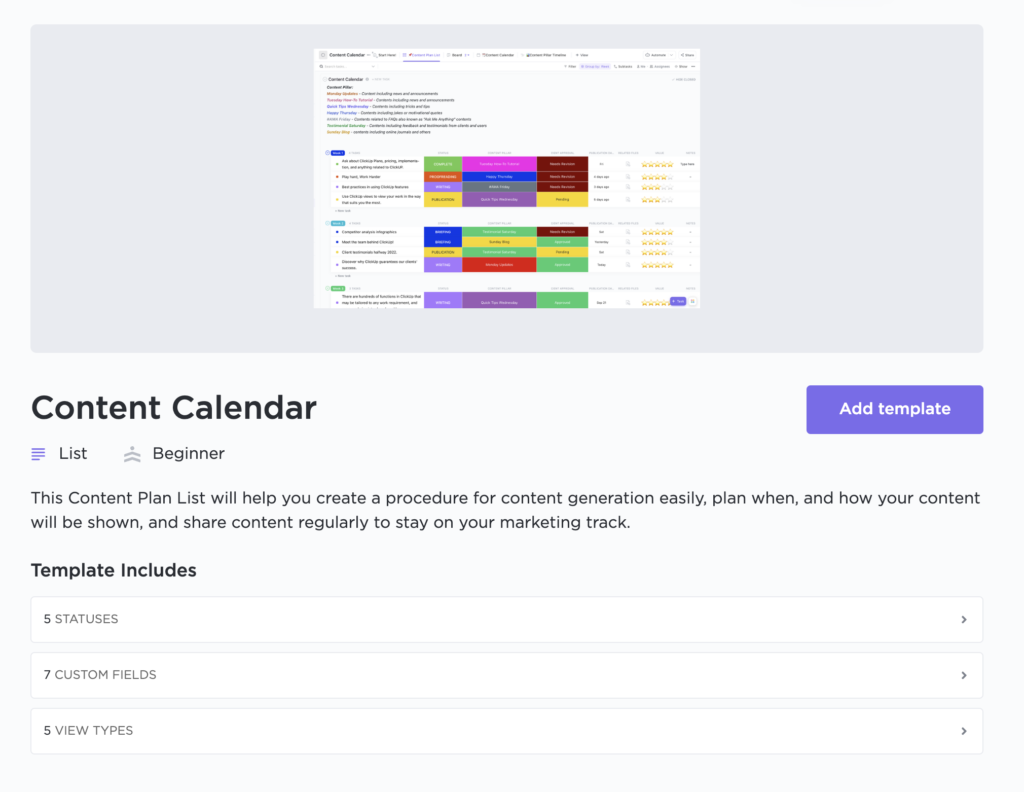
They can also reorder tasks, set dependencies for tasks, and customize their workflow so that everyone stays informed about all the latest developments. Plus, ClickUp’s whiteboard feature allows users to share ideas, collaborate remotely from anywhere, and keep a record of every milestone and progress in one easy interface.
With its remarkable user-centric tools, ClickUp sets itself apart as a top choice for fast-paced businesses or individuals who need to stay organized without wasting time.
Mapping your content for success
Content mapping is an essential process for any business that wants to keep track of their content and ensure its success. By using one or more of the tools we’ve described, you can make the task of creating and managing your content a breeze. So why not give them a try? You may be surprised at how much easier life becomes when everything is organized in one central location!
But if you are feeling a bit overwhelmed by the whole process, get in touch now about our SEO Content Strategy service and let us handle the heavy work for you!


